Opportunities for marine life at cable crossings
In the coming years, TenneT expects to install over a hundred cable crossings in the Dutch North Sea, in order to safely connect offshore wind farm cables to the mainland. A cable crossing is the location where two subsea cables or pipes intersect. To prevent damage, the cables are covered with granite rocks. This creates a structure that can rise up to a meter above the seabed. Hard substrate like this is scarce in the North Sea, which mainly consists of sand. That is exactly why cable crossings can be attractive to species that attach to hard surfaces or find shelter there, such as shellfish, anemones, and fish.
Monitoring three TenneT cable crossings
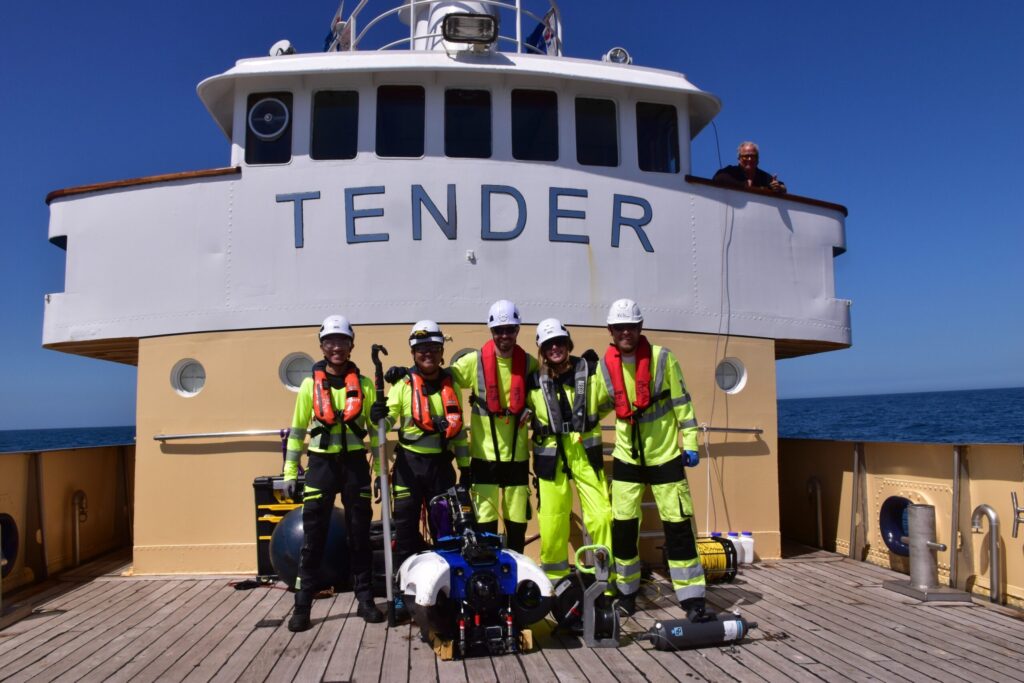
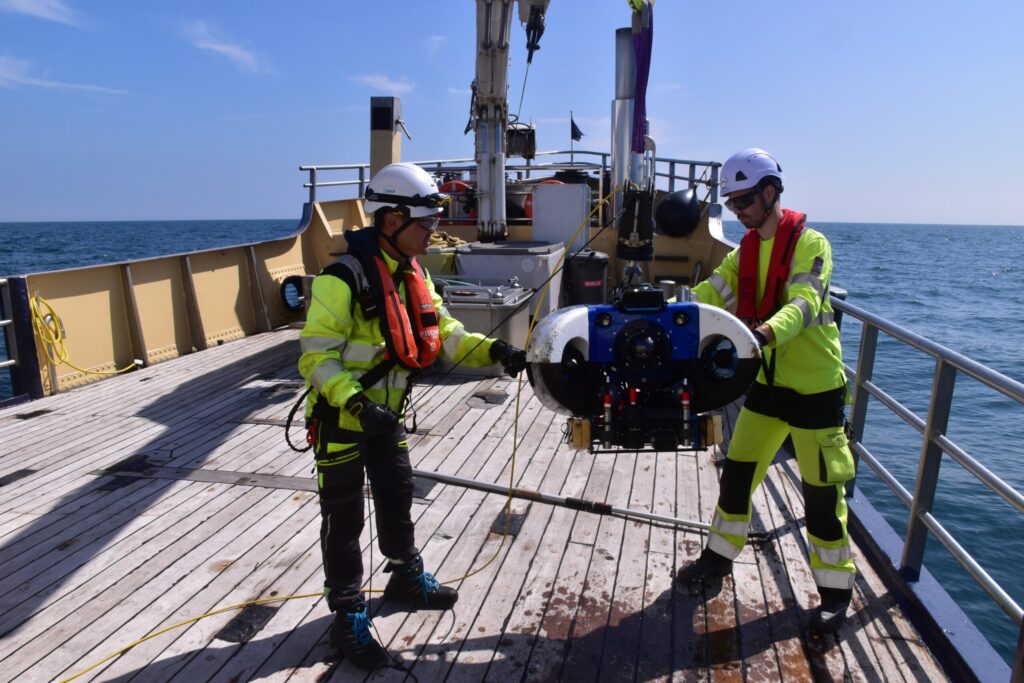
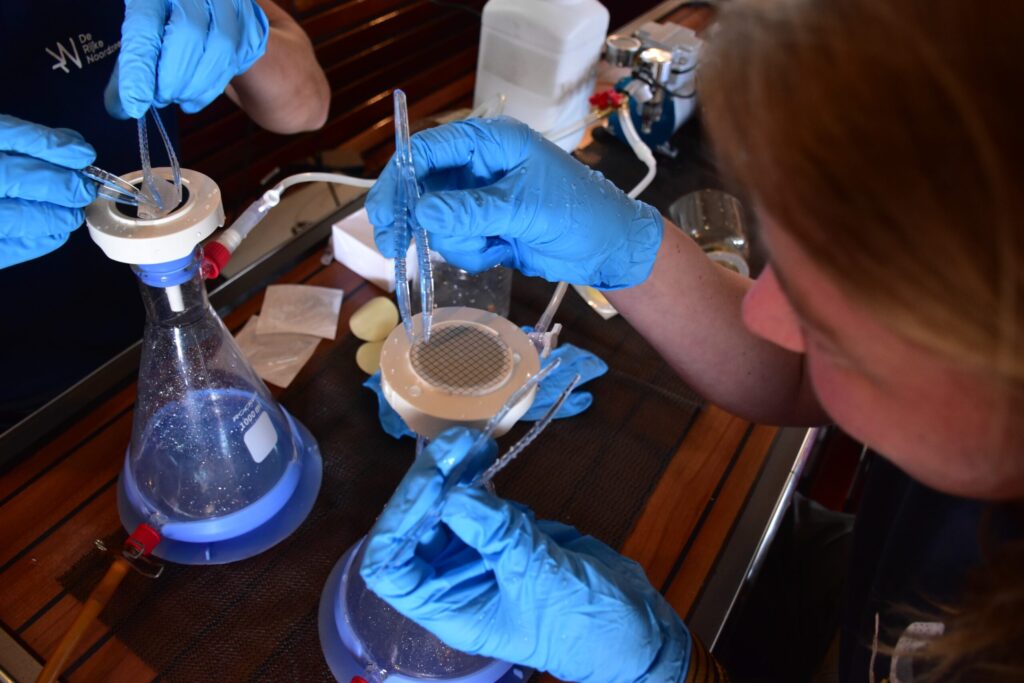
During this mission, three recently installed cable crossings were studied near the future wind farm Hollandse Kust West. An autonomous underwater vehicle (AUV) from BeeX collected video footage to map life on the seabed. The Rich North Sea analyzed these images. In addition, water samples were taken for eDNA analyses to detect fish species that were not seen on video footage. Data analysis was carried out by Wageningen University & Research. By combining video observations with eDNA, the partners gained a broad and reliable picture of the marine life present.
What do the results show?
The video footage and eDNA analyses complement each other well and provide valuable insights for future monitoring. The mission offered a first impression of marine life around the three cable crossings, including sea stars, velvet swimming crabs, sea apple, common dab, cod and striped red mullet. The species composition fits with an environment that has hard substrate rather than a sandy seabed. Typical species that usually appear in well-developed, stable ecosystems – such as soft corals like dead man’s fingers – were not yet found. This matches expectations for these new cable crossings and suggests that the ecological community is likely still in an early stage of development.
Next step: formation of oyster reefs at cable crossings
The three cable crossings offer a strong opportunity to test the remote setting method offshore. In this method, oyster larvae settle on stones placed in containers in the harbor. This spat on rock can then be deployed at sea, for example at these cable crossings, to stimulate oyster reef formation. In this way, cable crossings can be actively used to enhance underwater nature. Two out of three surveyed crossings will be used this year as a deployment site within the RESO project. This mission served as an important baseline measurement, allowing future ecological development on and around these cable crossings to be properly monitored and compared.
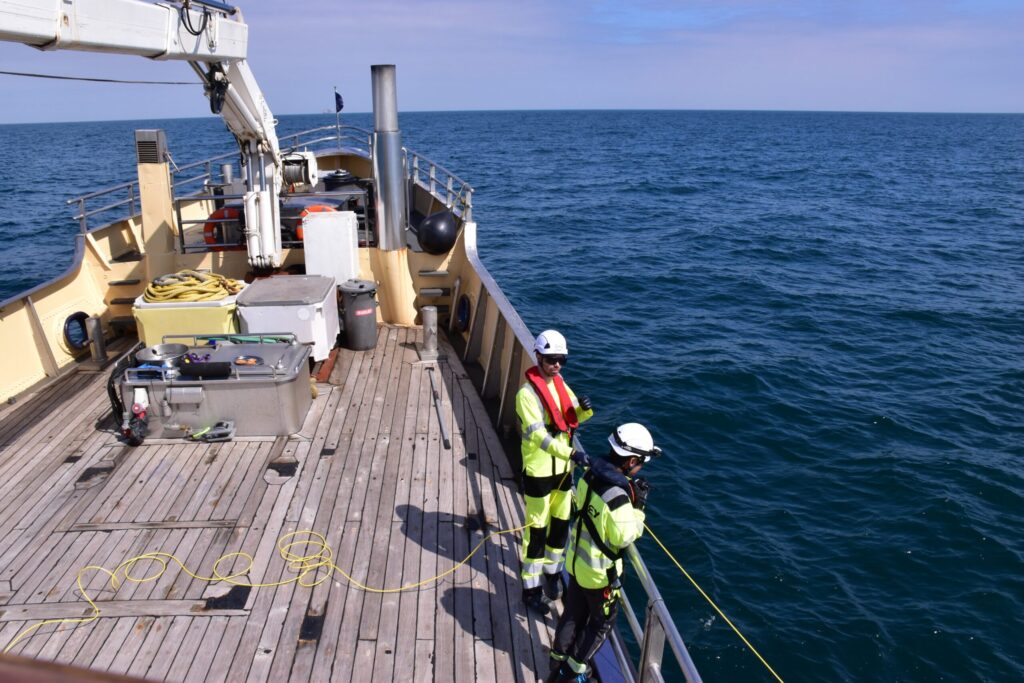
With this mission, TenneT and The Rich North Sea have taken important steps in building knowledge, strengthening collaboration and exploring how offshore infrastructure and nature enhancement can go hand in hand.