eDNA

Start
Partners Wageningen University & Research
Our impact

Observing what you can’t see beneath the waves

Some species living underwater can’t always be observed with cameras. They may be shy, rare, or highly effective at hiding. As a result, it is not always possible to obtain a complete picture of biodiversity in an area.

On land, physical traces such as footprints, hair, or animal droppings can often be found. Underwater, this is much more difficult. However, not seeing an organism doesn’t mean it leaves no traces behind. On a microscopic level, animals continuously shed DNA into their environment.

Environmental DNA, or eDNA, is genetic material that living and deceased organisms leave behind in their habitat. Fish, for example, shed skin and mucus cells or release waste and reproductive material into the water. When these DNA traces are detected in a water sample it provides a strong indication that the species is present in the area being studied.

Collaboration

Project Partners

Water samples containing eDNA are collected in the North Sea and subsequently analyzed by our research partner, Wageningen University & Research. The samples are examined in the laboratory by the Marine Animal Ecology group. Together, we then process the results and expand our understanding of biodiversity in and around offshore wind farms.

These samples are predominantly collected around offshore wind turbines. Therefore, we work closely with offshore wind farm owners. In addition, we can apply eDNA techniques in future joint research and monitoring projects with these partners.

The research

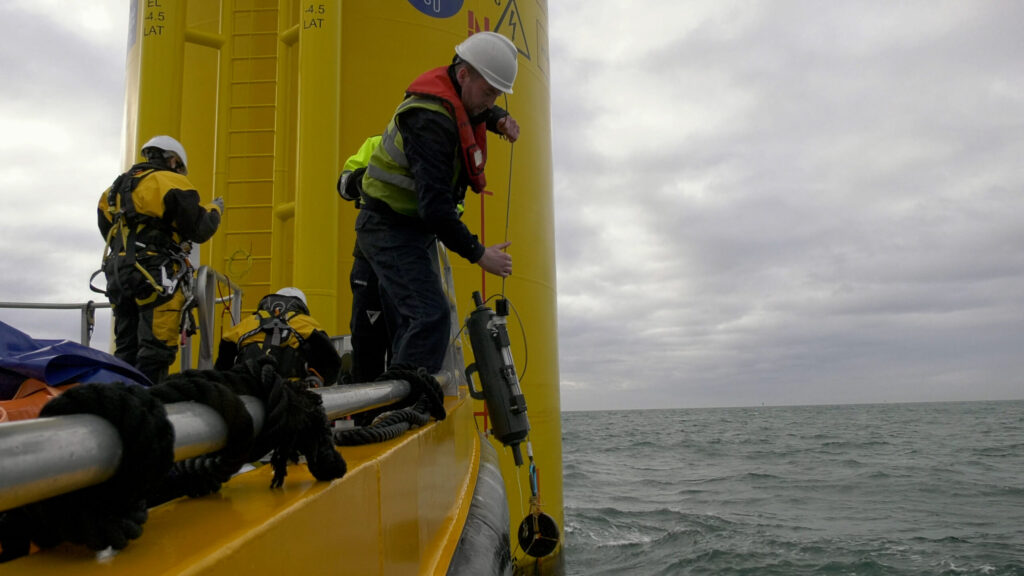
Our field researchers visit locations in the North Sea, such as offshore wind farms. There, they collect water samples using a so-called Niskin sampler. This is a tube that is opened at a predetermined depth and filled with water.

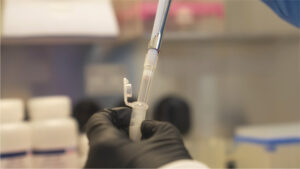
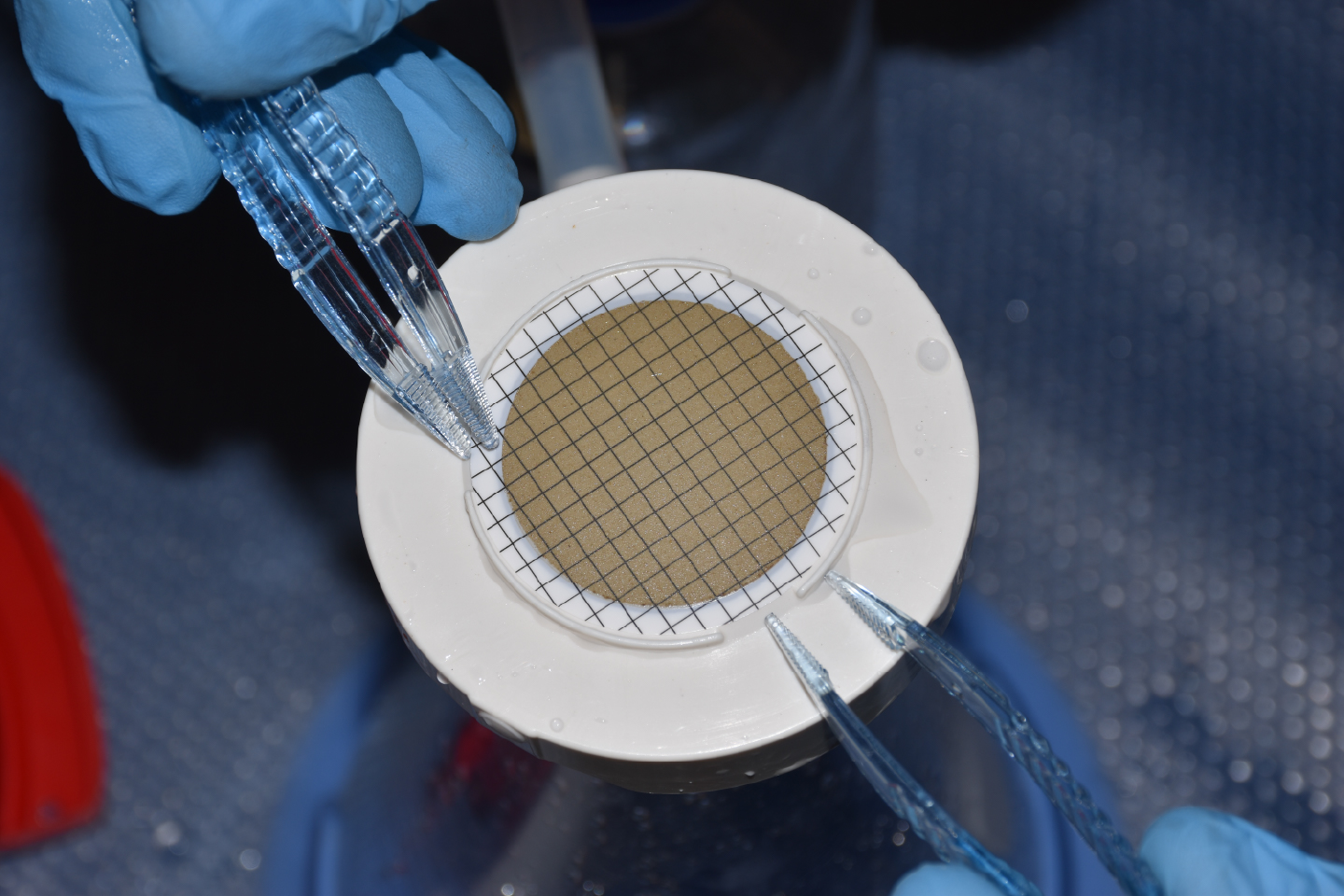
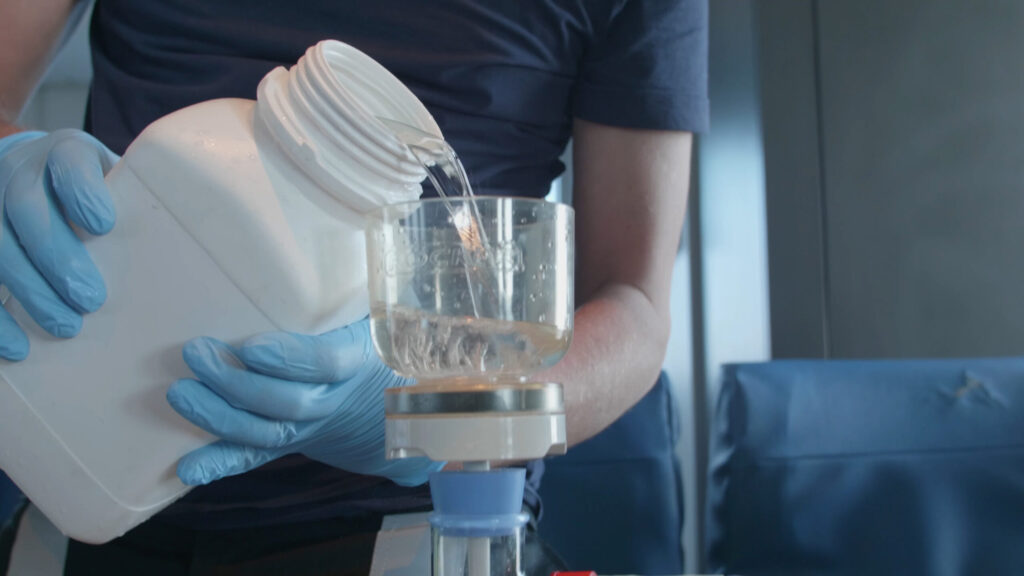
Once on board, the water is filtered so that the eDNA remains on the filter. The filter is then sent to the laboratory. There, the DNA is isolated by removing unwanted substances such as proteins, fats, and salts from the filter. Ultimately, the DNA required for further analysis remains.

Next, the DNA of the target animal group, such as fish, is replicated. Using a DNA sequencer, researchers can then determine which species the detected DNA originates from.

Finally, all data are stored in a database, where they are compared with data from previous years. In this way, the collected eDNA provides a clear picture of life within underwater ecosystems, particularly in locations where camera observations often fall short.

Our role

“What makes this project unique is that we do not look at individual measurements in isolation. Instead, we compare the results of all our different monitoring missions. We have now built a database containing five years of eDNA results, enabling us to identify emerging patterns. This enables us to monitor the ecosystem both broadly and in detail, from seasonal and location-based differences to developments over multiple years. That is exactly why this work matters: the better we understand how the ecosystem evolves, the more effectively we can apply that knowledge in new and existing practical projects in the North Sea.”

Eva Maus
Project Member

By applying research methods such as eDNA, we can monitor more effectively and with greater precision. Combined with other monitoring techniques, this approach allows us to collect valuable knowledge about the North Sea region. We then apply the expertise gained in future collaborations and projects.

Results

Thanks to eDNA, researchers can map underwater biodiversity without having to observe animals directly. The technique makes it possible to identify seasonal differences in species composition and detect species that are difficult to observe using traditional research methods.

In addition, eDNA reveals which species benefit from the presence of hard substrate habitats in offshore wind farms. As a result, species can be detected that were previously rarely or never observed at these locations in the North Sea.

By applying eDNA in real-world monitoring programs, we gain valuable insights into both the effectiveness of the technique and opportunities to further refine it. At the same time, eDNA provides in-depth insights into North Sea biodiversity. It serves as a valuable complement to existing research methods, contributes to a more comprehensive understanding of life beneath the waves, and helps us better understand how marine ecosystems develop over time.