Innovative Monitoring

Start
Partners Wageningen Marine Research, TNO, Seaward, Nature Regeneration North Sea
Our impact

Monitoring the North Sea with submersibles

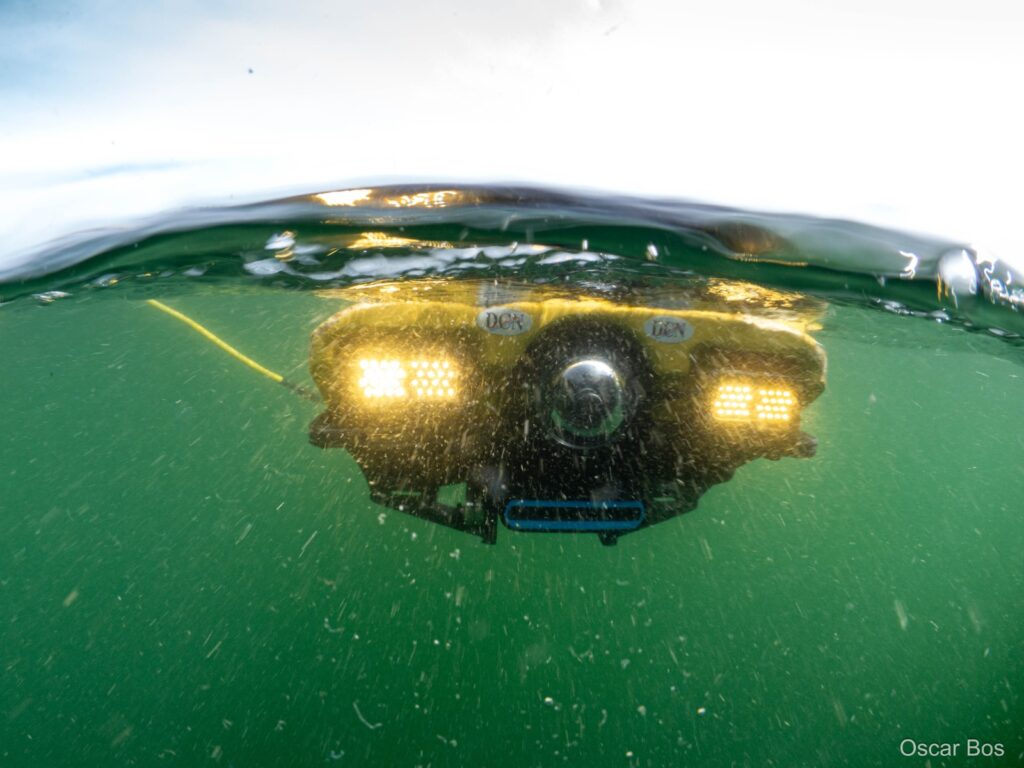
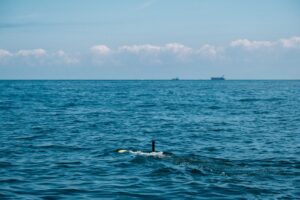
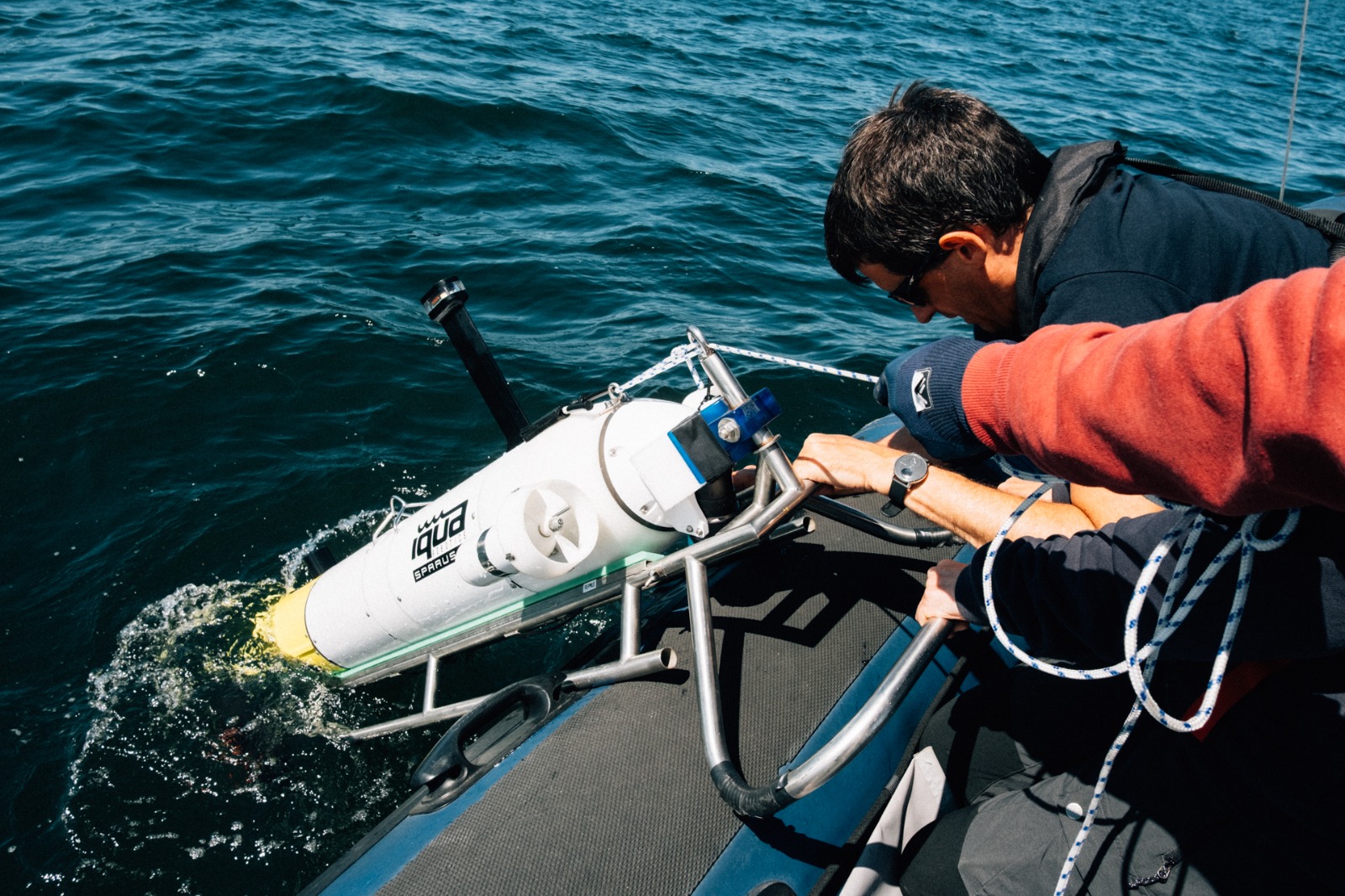
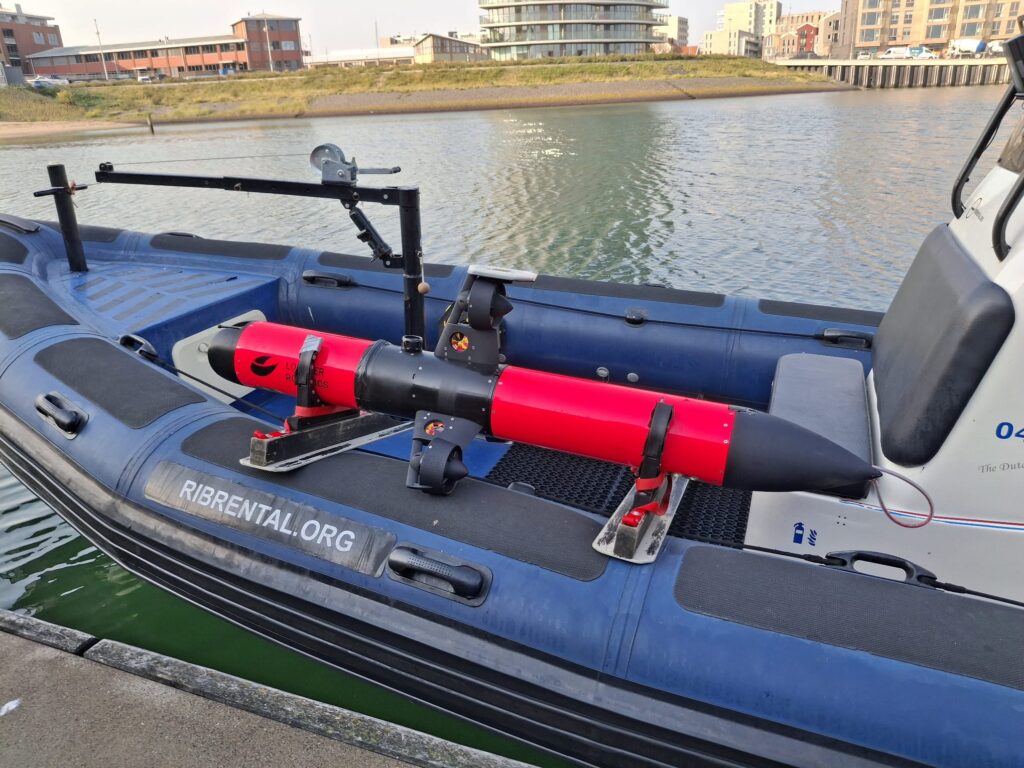
A lot happens underneath the waves of the North Sea, and we want to better understand this submerged world. Especially, the effects of human activity on the marine ecosystem. How, for example, do fish migrate through offshore wind farms? How effective are our nature-enhancing measures? Innovative monitoring techniques help us answer these questions. With Remotely Operated Vehicles (ROV) and Autonomous Underwater Vehicles (AUV) we’re able to keep a keen eye on marine life.

The video bellow offers an impression of innovative monitoring techniques tested in the field. It was created in collaboration with our Nature Regeneration North Sea partners.

Collaboration

Project partners

This project is a collaboration between Wageningen Marine Research, TNO, and Seaward, with funding provided by Nature Regeneration North Sea. Together, we map available techniques, analyze collected data, and make the lessons learned publicly available in our Toolbox.

We also work with seven monitoring partners: BeeX, Deep Trekker Inc., IQUA ROBOTICS, DCN Diving, Lobster Robotics, SEABER, and Subsea Tech.  With Oskar van Megen from The Rich North Sea as project leader.

The research

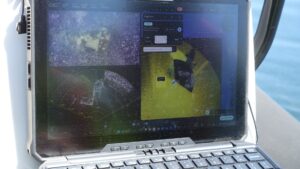
During the monitoring mission, marine life was documented through photography, video recordings, sonar, 3D renders, and abiotic and water sampling. Field deployment also allows us to evaluate user-friendliness and effectiveness of monitoring techniques.

Following the testing days, the collected data helps us illustrate the current state of monitoring techniques and identify opportunities for better integration between technology and ecology. Altogether, this project enhances our understanding of which innovations are the most efficient, safe, and cost effective in monitoring marine life in the North Sea.

Our role

“As The Rich North Sea, we are continuously looking for ways to monitor the impact of our nature enhancement projects in offshore wind farms in a more efficient, safe and cost-effective way. This project helps us explore new techniques and partnerships, enabling us to further strengthen our approach to marine nature restoration.”

The Rich North Sea connects organizations and research new techniques by deploying them in the field. We coordinate and facilitate collaboration between science and industry and share our results publicly so that our lessons learned can serve as building blocks for future projects.

About the location

For this project, tests were carried out at two sites:

• De Voordelta, a Natura 2000 area in Zeeland.
• The Offshore Test Site, located 12 kilometers off the coast of Scheveningen where The Rich North Sea placed artificial reefs.

At both locations the monitoring mission focused on benthic life in rough and shallow water.

Results

The collected data is currently being analyzed. The findings, experiences, and insights gained will be compiled into a research report, which will be made available in the Toolbox once completed.

Want to see results and reports from other projects? Explore the Toolbox:

Toolbox